


Diagnosing a Local Search Gap

Quick Summary: In Dallas and every other market we work in, a gap usually shows up as strong reviews but weak rankings, or a nice website that nobody finds. When that happens, the site and the Google Business profile are working against each other instead of together, and that's the actual problem to fix.
Here's what we see every week. A roofer or a med spa owner calls us convinced their website is broken. It's not broken. It's just disconnected from everything else Google looks at.
Search Engine Optimization, or SEO, makes sure your business shows up when someone searches for what you do, where you do it. The real question isn't whether you need it. It's whether your site and your listing are sending Google the same story about your business, or two different ones.
Along the North Dallas Tollway corridor, we run into a specific version of this problem constantly. Dozens of service businesses share office parks with suite numbers. Google's system flags near-duplicate addresses as suspicious. This quietly suppresses local results without ever telling the owner why.
-
Your Google Business lists services your website never mentions
-
Your site ranks fine for your brand name but disappears for what you do
-
You've moved suites or added a second location and rankings dropped
-
Your competitors with worse reviews still outrank you on the map
Any one of those on its own is a problem with how signals are sent, not a website problem. And that's the core of it: your site, your profile, and your listings all have to point at each other and say the same thing, or Google stops trusting any of them.
SEO is part of our internet marketing service in Dallas.
Website and Google Business Profile: One System, Not Two Services
yourbusiness.com
Your Business
Local service for your home or business.
yourbusiness.com
Local service provider
Services in your area.
yourbusiness.com
Local service provider
Services in your area.
Here's the thing nobody tells you when you hire an agency: your site and your listing are graded together. Google reads them as one file on your business, not two separate projects. If your site says you do roof repair and gutter work but your profile only lists roofing, that's a mismatch. Small, but it adds friction.
We see this every week. A business owner has paid someone to build a nice site. They paid someone else to poke at the Google listing. The two don't say the same thing. Different service names, different descriptions, sometimes a different phone number floating around from an old listing. Each piece alone looks fine. Together, they send mixed messages.
This is where most agencies stop short.
Our approach, we call it the Monstera Method, starts by making sure your service pages match your Google Business categories word for word. Same service names, same structure, same order. When a search engine or an AI assistant pulls information about your business, it finds one consistent story instead of two competing ones.
The tradeoff is that this takes more setup time upfront than just tweaking a listing and calling it done. But the payoff is that both pieces start reinforcing each other instead of working against each other. That is what moves rankings, not one more keyword stuffed into a page title.
When a Business Can Wait on Full SEO
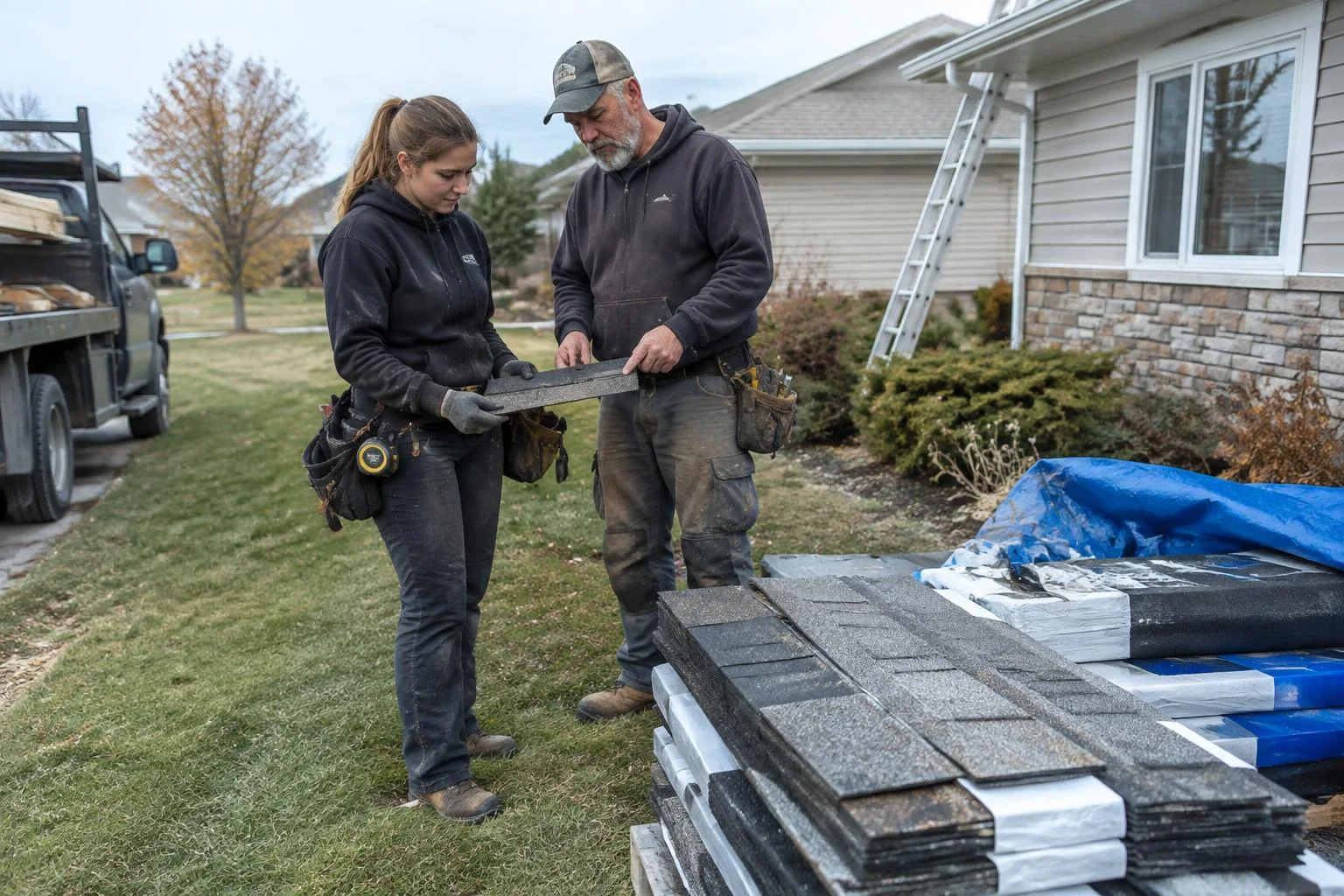
Here's the honest answer. Not every business needs full SEO right now. We'd rather tell you that than take the work.
If you're brand new and still figuring out what you offer, wait. SEO builds on a clear picture of your services. Chasing rankings before that picture is set just means redoing the work later.
If referrals and repeat customers already fill your schedule, you might not need this yet either. We've talked to contractors who are booked out for months on word of mouth alone. Good for them. SEO is for growth beyond that ceiling, not a fix for a business that isn't struggling to find work.
-
Your Google Business isn't even claimed yet, that's step one before anything else matters
-
You're testing a new service and don't know if it'll stick
-
You can't currently take on more jobs even if the phone rang more
-
Your website doesn't exist yet or is still being built
There's a ceiling on how many people in your area are searching for your exact service each month, too. If that number is small, full SEO won't create demand that isn't there. It'll just help you win a bigger share of a small pool. That's worth knowing before you spend a dime.
None of this means never. It means timing matters. Start with a clean Google Business profile and a website that says what you do. Then build from there when you're ready to handle what comes in.
Get My Free Audit. Monstera Marketing Agency is ready to help.
What a Local SEO Engagement Includes
Open now
A lot of business owners think SEO means someone typing keywords into a page. It doesn't. Local SEO makes sure your website, your Google Business profile, and your online reputation all say the same thing about your business, at the same time. This happens in a way Google and AI search tools can read clearly.
Here is what that looks like when we build it:
-
Keyword research and strategy: figuring out the exact words your customers type when they need what you sell, not just the ones with the highest search volume
-
Google Business optimization: making sure your hours, services, photos, and categories match what your website says, word for word
-
Content built around search intent: pages written for the question someone has, not stuffed with repeated phrases
-
AI search optimization: structuring your content so tools like Claude, ChatGPT, Perplexity, and Google AI Overviews can pull accurate answers about your business
-
Reputation management: keeping reviews flowing and responded to, since that feeds both traditional search and AI search
The tradeoff is that none of this works in isolation. A great profile with a thin website still confuses Google. A great website with a neglected profile still loses local map pack traffic. We've seen plenty of businesses pay for one and skip the other. Then they wonder why nothing moved. That's the piece most agencies miss.
Tracking Progress Without Guesswork
Here's the problem with most SEO reporting: it tells you activity, not results. A report that says we published four pages this month doesn't tell you if anyone in your area found your business because of it.
We track three things that matter. How many people searched a term tied to your service and found you. How many called, messaged, or requested a quote from that visit. And whether your profile and your website are showing up together, not one without the other.
That last part is what we watch closest. If your profile ranks but your site doesn't, something's disconnected. If your site ranks but your profile is thin, you're leaving map pack traffic on the table. Fixing one without the other is where a lot of SEO work quietly stalls out.
The honest tradeoff: real tracking takes longer to show a clean line on a graph than a vanity metric does. Rankings move week to week for reasons outside anyone's control. We watch the trend over a few months, not a single Tuesday.
There's a ceiling here too. If nobody in your market is searching for what you sell, no amount of tracking or work changes that number. Good measurement tells you that early, before you spend months chasing a keyword nobody types.
So what does a report from us look like?
Search terms that brought people to your site or profile, and how that shifts month over month
Calls, form fills, and direction requests tied back to those searches
Where your Google Business profile and website agree or disagree on what you do and where you do it
No jargon-filled dashboard nobody reads. Just the numbers that answer the one question you care about: is this bringing in people who need what you do.
Based in Dallas, working with service businesses across the US, Canada, and beyond.