


Landing Page Design Versus a Full Website Rebuild
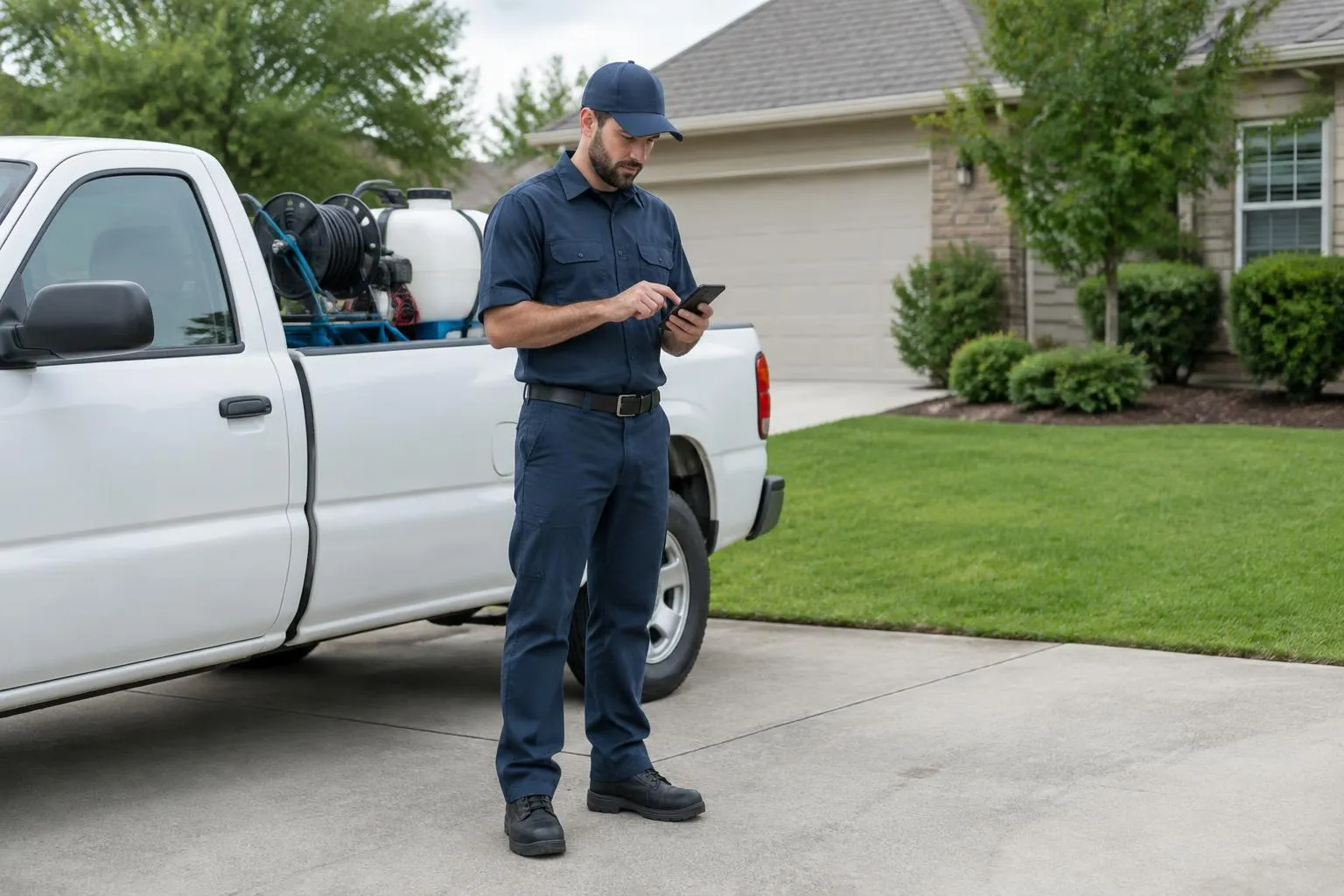
A landing page fixes one job: turning a specific group of visitors into calls or form fills. A rebuild fixes the whole site when the problem shows up on every page. If only one offer or one ad is underperforming, start with the landing page. We build them that way for ad campaigns in Dallas and well outside it.
Here's a common spot to be in. You're paying for ads or pushing a seasonal offer. The clicks come in, but the phone doesn't ring. Someone tells you the website is the problem and you need a new one.
Maybe. But most of the time, the real issue is narrower than that.
A website does a lot of jobs at once. It explains every service, answers questions, builds trust, and helps you get found. A landing page does one job. One offer, one type of customer, one action. It's built for the person who already clicked and just needs a reason to call.
A landing page is usually the right fix when:
-
Your ads send people to your home page, and they have to dig to find the offer they clicked on.
-
One service or promotion needs a sharper pitch than your main site can give it.
-
The rest of your site works fine and brings in leads from search.
-
You need something live soon, not months from now.
A rebuild is the honest answer when:
-
The site is hard to use on a phone, slow to load, or breaks in places.
-
You can't update it yourself without calling someone.
-
It looks dated enough that people doubt you're still in business.
-
The problem isn't one page. It's every page.
Here's the tradeoff with a landing page: it borrows trust from everything around it. A good visitor checks your reviews, clicks your logo, and looks at your profile before calling. If the site behind the landing page is a mess, you've built a nice front porch on a house nobody wants to walk into. The page, your profile, and your ads all need to send the same signal. When one of them points somewhere else, people notice.
The tradeoff with a rebuild is time and money. You're touching every page, and it takes longer to see whether it worked. If you only had one leaky pipe, you just paid to redo the whole house.
There's also a ceiling on what a landing page can do, and it's worth saying out loud. It can't fix a weak offer. It can't make up for thin reviews. Most landing pages aren't built to rank in search on their own, either. They're built to convert traffic you're already sending. If nobody's finding you in the first place, that's a different problem with a different fix.
Most owners get pushed toward the bigger project because it's the bigger invoice. That's backwards. Start with the smallest fix that solves the real problem. If a landing page proves the offer works and the rest of the site still holds you back, you'll know it, and you'll know exactly why.
We do both. When the whole site needs work, that's our Website Design or Custom Website Design service, and it has its own page.
Landing page design is one part of our website designer services in Dallas.
Why a Landing Page Needs to Match the Campaign Sending Traffic to It
Every ad makes a promise. The landing page has one job: prove the promise was real. When the page talks about something else, people leave, and you still pay for the click.
Here's how it plays out. A roofer runs an ad that says "Free hail damage inspection." A homeowner taps it. She lands on a home page that opens with "Quality roofing since day one" and a photo of a crew on a commercial building. Nothing about hail. Nothing about free. She has to hunt for the thing she clicked on, and most people won't hunt. They hit the back button and tap the next ad.
Nothing was wrong with the ad. The roofer's site wasn't bad either. The two just weren't talking to each other.
A matched page picks up the conversation right where the ad left off. Here's what needs to line up:
-
The words. If the ad says "hail damage inspection," the headline says it too. Not a clever version of it. The same words.
-
The offer. If the ad promised free, the page says free right up top, along with any conditions.
-
The person. A homeowner and a property manager need different pages, even for the same service.
-
The look. Same colors, same photos, same feel as the ad, so the visitor knows they're in the right place.
-
The next step. One clear action that fits the offer, like a call or a short form.
There's a second reason this matters, and most owners never hear it. Google grades your landing page when you run search ads. It checks whether the page is useful and fits what the person searched for. A page that matches tends to be treated better. A page that doesn't can cost you more for the same click. So a mismatch hurts you twice: fewer calls, and pricier ads.
Where the traffic comes from changes the page, too. Someone who searches "emergency roof repair" already knows what they want. Their page should be short and fast. Show the number, show the proof, get out of the way.
Someone who sees your ad on Facebook or Instagram wasn't looking for you. They were scrolling. Maybe they'd started wondering whether that stain on the ceiling was a problem. That person needs a little more. A plain answer to the question in their head, a reason to trust you, then the ask. Same service, different page.
That's the whole signals idea, shrunk down to one click. The ad sends a signal. The page has to send the same one back, or the visitor feels the gap even if they can't name it.
Here's the tradeoff. Matching means more pages. One page per offer, and sometimes one per audience. Each one has to be kept up. When the hail season promo ends, that page needs to change or come down. Otherwise you're making a promise you no longer keep. The honest cost is upkeep, not a bigger build.
If you're running ads, the page and the campaign should be planned together. Our Google Ads Management and Facebook and Instagram Ads services each have their own page if you want to see how that side works.
Signs a Landing Page Is the Right Move Right Now

The right time for a new landing page isn't when your site starts to feel old. It's when you're paying to send people somewhere and you can tell they aren't acting once they get there.
Here's what that looks like from your side of the desk:
-
You can see clicks but not calls. Your ad account shows people tapping the ad, but your phone log and inbox don't match up. When people click and then go quiet, the problem is usually on the page, not in the ad.
-
You're about to spend money on a push. Maybe it's a seasonal offer, a new service, or a slow month you want to fill. Building the page before the money goes out costs less than fixing it after the budget's gone.
-
Your best job doesn't have its own page. If one service brings in your best margin and it shares a page with five others, the people who want it most have to dig for it.
-
Calling you takes too much work on a phone. The number isn't tap-to-call. The form asks for ten things. The button sits below a wall of text. A lot of your visitors are holding a phone with one thumb free, so each extra step loses some of them.
-
You can't tell which ad brought in the call. If every campaign lands on the same page, you're guessing at what works. A separate page for each offer makes it easier to see which ad led to the call.
-
Your reviews say one thing and your page says another. Customers keep praising how fast you show up, but the page opens with your company story. That's a signal pointing the wrong way.
Now the other side. Sometimes the honest answer is to wait.
If you aren't sending any traffic yet, a landing page will mostly sit there unused. It's built to convert visitors you already have, not to find new ones. And if your crew can't close the offer on the phone, a better page won't change that. Fix those first, then come back to this.
Here's the tradeoff if you build now: the first version is your best guess about what will make people call. Some of that guess will be wrong. You find out by watching what visitors do, then changing the headline, the offer wording, or the form. The honest cost is a few rounds of changes, not a one-and-done build.
We also won't promise a number. A better page can turn more of your current clicks into calls. How many more depends on your offer, your reviews, and your market. Anyone who quotes you a lift before seeing your page is guessing.
What you can know before you build is where the leak is. It could be the page. It could be a gap between the ad and the page. Or it could be your profile telling people something your page doesn't back up. Those three are supposed to send the same signal. When one points somewhere else, calls slip away and it's hard to see why.
Get My Free Audit
Not sure what your Landing Page Design project needs? Ask us.
Get My Free Audit. Monstera Marketing Agency is ready to help.
When a Business Does Not Need a New Landing Page
Plenty of owners don't need a new landing page. Beyond the cases above, like having no traffic yet or an offer the crew can't close, here are the times we'd tell you to keep your money.
You already have a page that does the job. Maybe your service page for drain cleaning opens with drain cleaning, shows the phone number up top, and has reviews close by. If your ad is about drain cleaning, point the ad there. A second page that says the same thing gives you one more thing to keep up and nothing new.
The fix is a ten-minute edit. Sometimes the whole problem is a phone number you can't tap, a form that asks for too much, or a headline that talks about you instead of the customer. If you can log in and change those yourself, do it. Watch what happens for a few weeks. You might not need anything else.
The leak is after the click. This one gets missed all the time. The page works and people call. But the calls go to voicemail, or nobody follows up on the form until the next day. By then the customer has booked someone else. A new page just sends more people into the same hole. Check how your calls and forms get answered before you touch the page.
The wrong people are clicking. If your ad shows up for folks outside your area, or for searches that have nothing to do with what you sell, the page isn't the problem. No headline turns a renter looking for a cheap fix into a homeowner ready for a full job. That's an ad setup issue.
You don't have enough visits to judge. If only a handful of people hit the page each week, you can't tell if it's working. A few slow weeks can just be a few slow weeks. Rebuilding a page based on a tiny sample is guessing with extra steps.
Most of your work comes by name. Some businesses live on referrals and repeat customers. People hear about you, look you up, and call. Those folks aren't landing on an offer page. They're checking your profile, your reviews, and your main site. If that's you, those are the places to spend time.
You already have too many pages. Some owners have a page for every promo they've ever run. Old offers stay live. Expired deals still show up. That sends mixed signals and makes it hard to know what's working. Here, the fix is fewer pages, not one more.
None of this means a landing page is a bad idea. It means it's a tool for one job. If your problem is a different job, a different tool will do it better and cost you less.
What Goes Into Building a Landing Page
A landing page looks simple: one screen, one offer, one button. Most of the work is deciding what to leave off.
Here's what a solid page is built from, top to bottom:
-
A headline that names the job and the place. "Same-day AC repair in Dallas" tells a visitor in two seconds that they're in the right spot. The ad sets the words, and the headline repeats them.
-
One clear action, shown early. That means a tap-to-call button and a short form with three or four fields at most: name, phone, and what they need. Every extra question costs you some people.
-
Proof next to the ask. Use real reviews, photos of your own crew and trucks, and your license or insurance where that matters in your trade. Stock photos of smiling strangers work against you. People can tell.
-
A plain answer to the main worry. For most service calls, the worry is how fast you can come, what it might cost, or whether you'll do the job right. Answer the one your customers ask most, in a sentence or two.
-
Nothing that leads away. There's no full menu, no links to every service, and no news feed. The page has one way out, and it's the call.
-
Speed on a phone. The page has to load fast on a cell signal. Big videos and heavy photo sliders slow it down, and people won't wait.
-
A way to know what worked. Give each page its own phone number or form tag so a call can be traced back to the ad that sent it. Without that, you're back to guessing.
Some of the work lives off the page. Your business name, phone number, and hours on the landing page should match your Google Business Profile exactly. If a visitor checks your profile before calling, they should see the same business. That's the signals idea again, applied to the small details.
Here's what the build needs from you:
-
Real photos of your work.
-
The exact offer, plus any fine print.
-
A few reviews you're proud of.
-
A straight answer about who picks up the phone once the page starts working.
Nobody can write those parts for you. They're also the parts that make the page believable.
The tradeoff is that a page this focused is plain on purpose. Some owners want it to show everything: every service, the company story, the whole team. That's what your main site is for. Every extra section gives a visitor one more chance to drift off before calling.
There's also a ceiling. Good parts don't guarantee calls. They remove the reasons people leave. If the offer isn't something people want, a clean page just makes that clear faster.
Based in Dallas, working with service businesses across the US, Canada, and beyond.
If you're not sure which of these pieces your current page is missing, that's the place to start. Get My Free Audit.